



Custom south africa trips
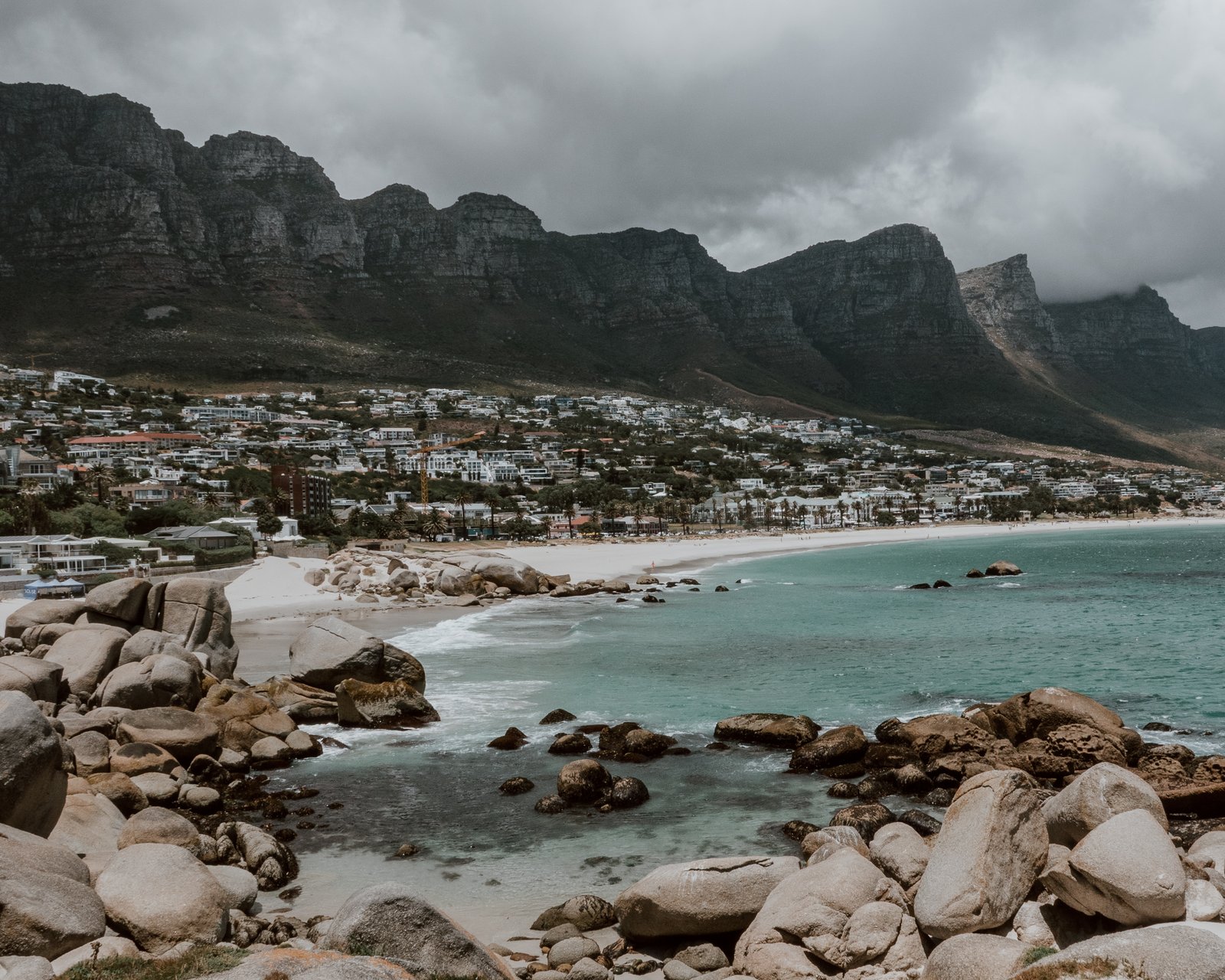
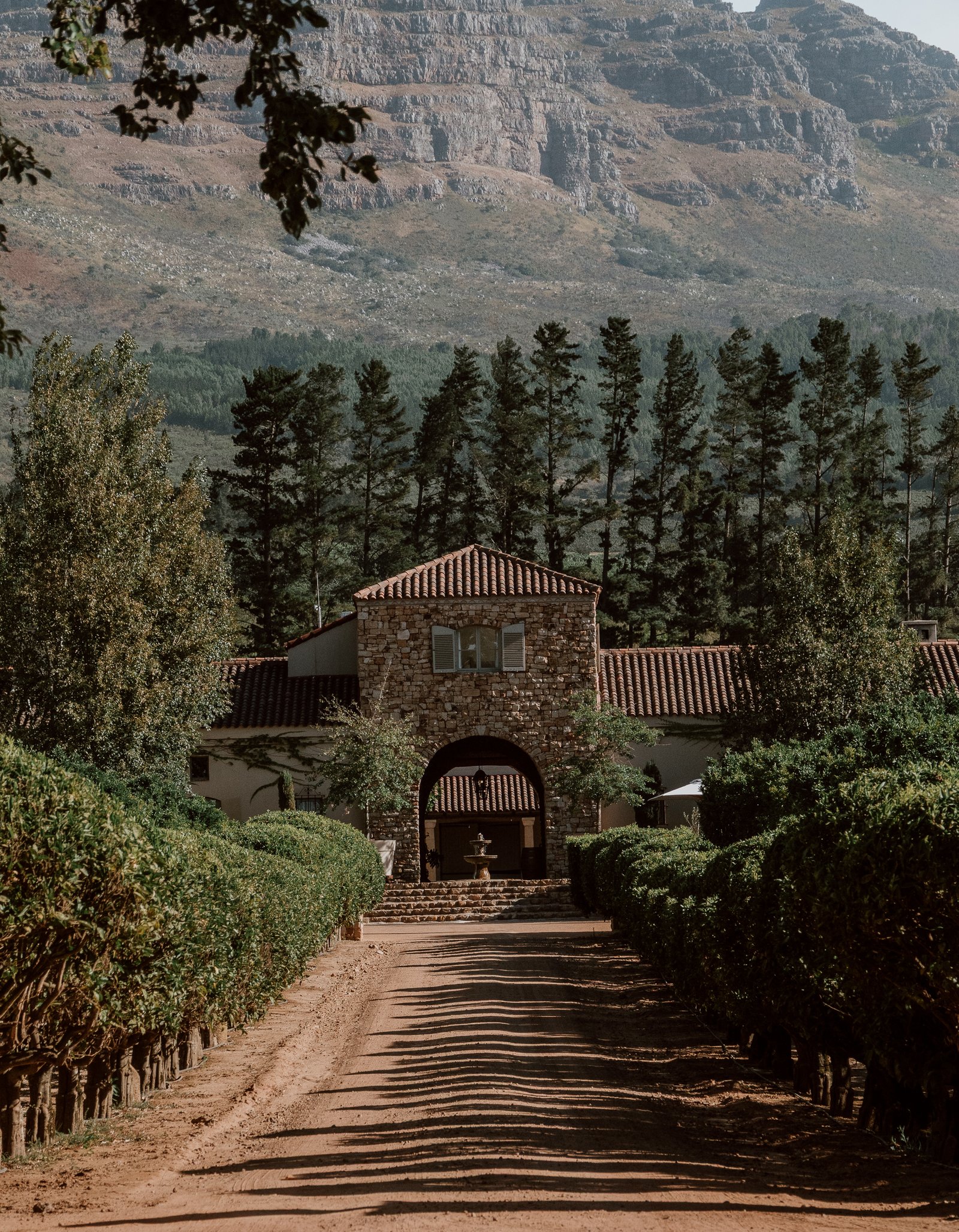
A trip through South Africa gives you the opportunity to discover this extraordinarily diverse country beyond the well-known highlights. Along the way, you will encounter vibrant cities, vast landscapes, impressive wildlife, and ever-changing scenery that reflect South Africa’s unique diversity. From the rugged coastline and fertile wine regions to endless savannahs and mountainous national parks, the country reveals itself in all its facets. Immerse yourself in South African culture, experience everyday life up close, and feel the dynamism, contrasts, and joie de vivre that characterize the country. Each stage brings new impressions and makes the journey an experience far beyond the well-known sights.
Discover our services
Every trip is unique. That’s why we don’t view your travel plans as a rigid package, but rather as a carefully curated combination of exclusive elements that we tailor precisely to your personal preferences, interests, and needs. The result is a customized travel plan that remains just as flexible as your vision.
Whether you’d like to have a complete trip designed from scratch, have already developed your own itinerary, or simply need targeted assistance with specific questions – we offer the right kind of collaboration for you. From comprehensive travel planning to the professional review and optimization of existing plans, all the way to personalized online consultations, we’ll support you exactly where you need it.
From tailor-made itineraries and hand-picked accommodations to special experiences, culinary recommendations, unique photo spots, and individual requests: every element is carefully selected and perfectly tailored to your trip. Our goal is to turn your ideas into a well-thought-out, seamless, and unforgettable journey-with attention to detail and a lot of insider tips.


FAQ & travel tips
The best time to visit South Africa depends largely on which regions and activities you plan to enjoy. In general, the South African winter from May to September is considered particularly suitable for safaris, as the vegetation is thinner, animals are easier to observe at watering holes, and temperatures are pleasantly mild.
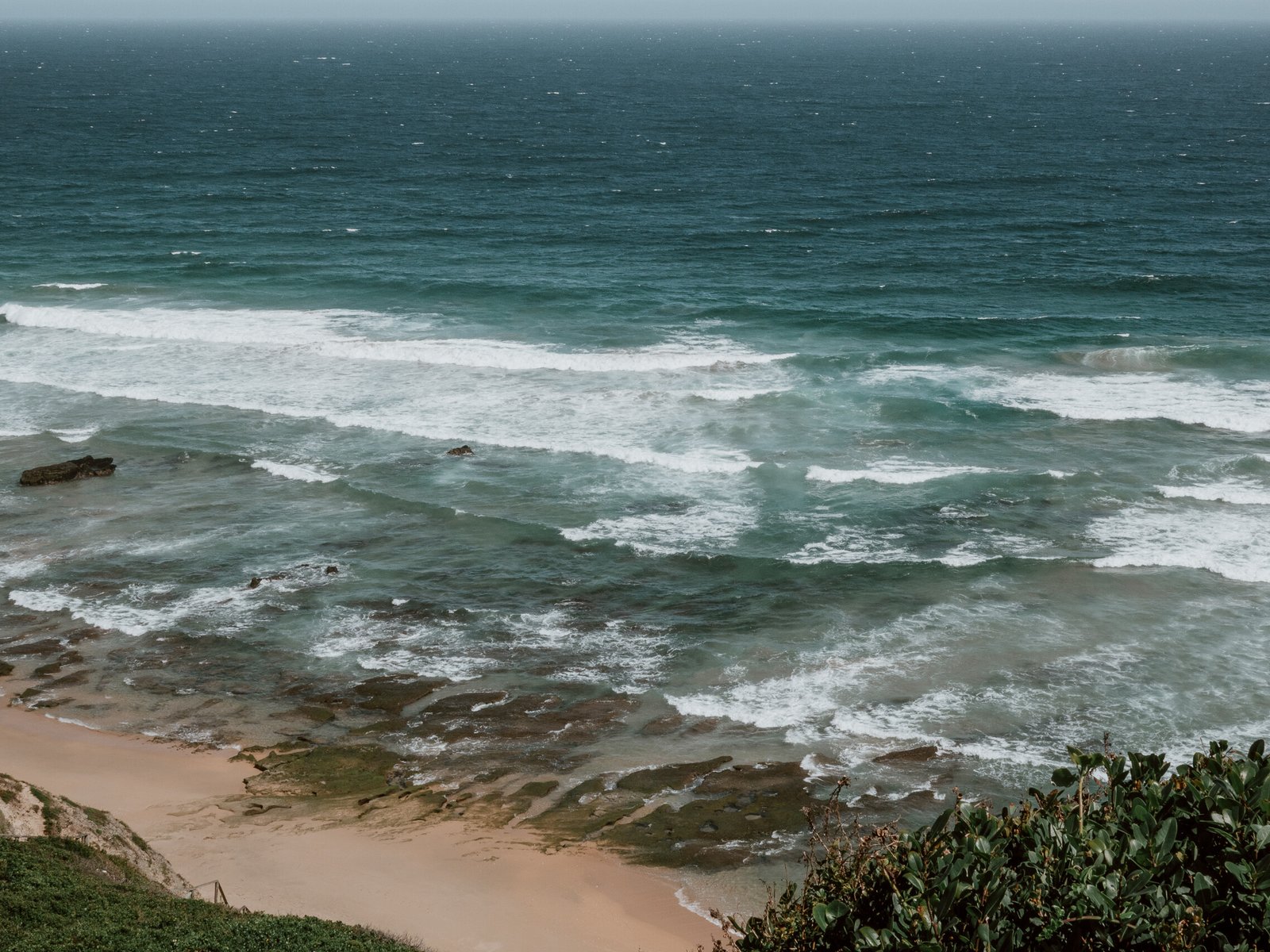
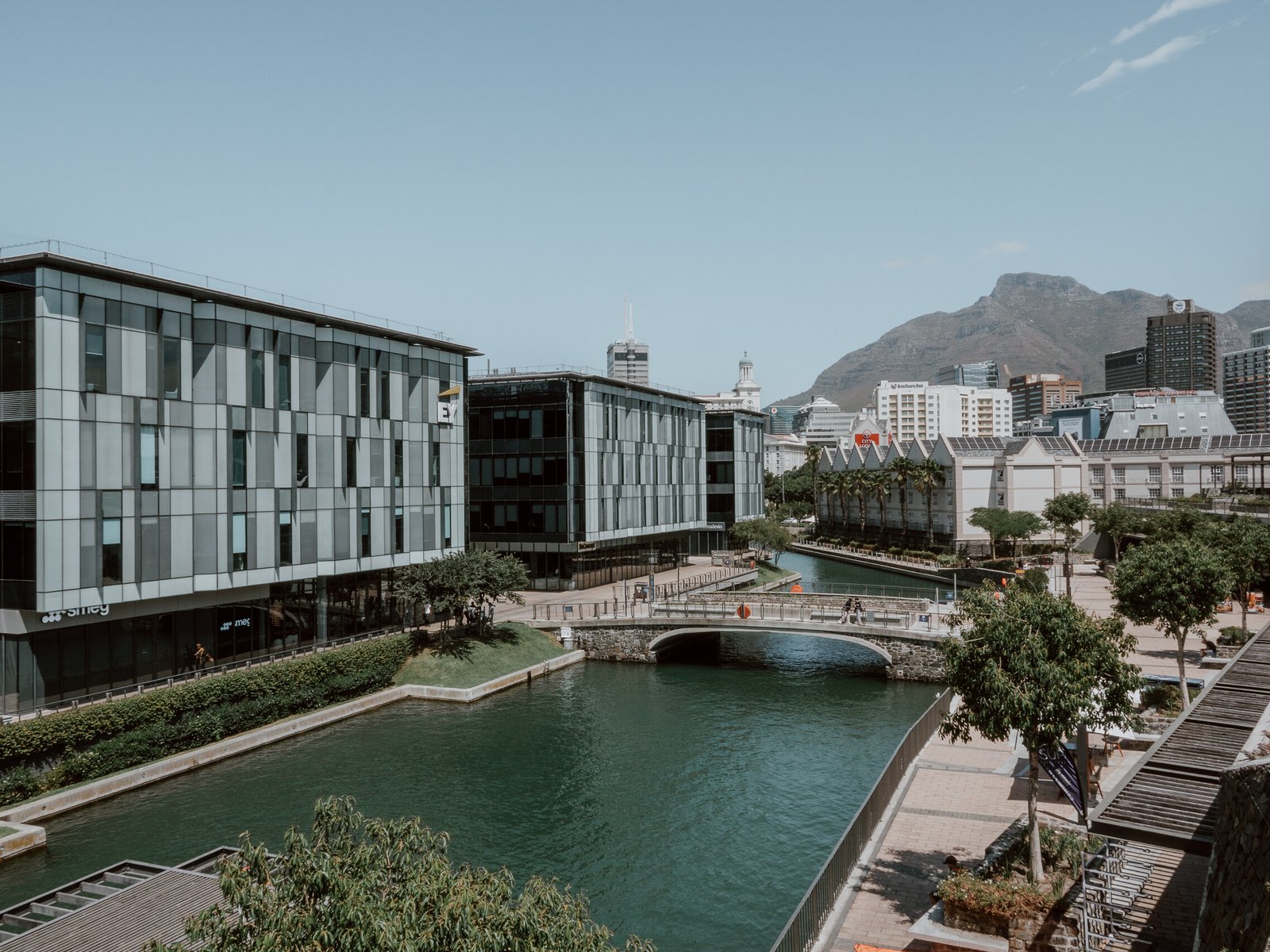
For city breaks and coastal regions such as Cape Town or Durban, spring (September-November) and fall (March-May) offer pleasant weather with fewer tourists. Those who want to explore the south and the coast for beach holidays or water sports will find the best conditions in summer from November to March, when it is warm and sunny, although temperatures can be quite high in some regions.
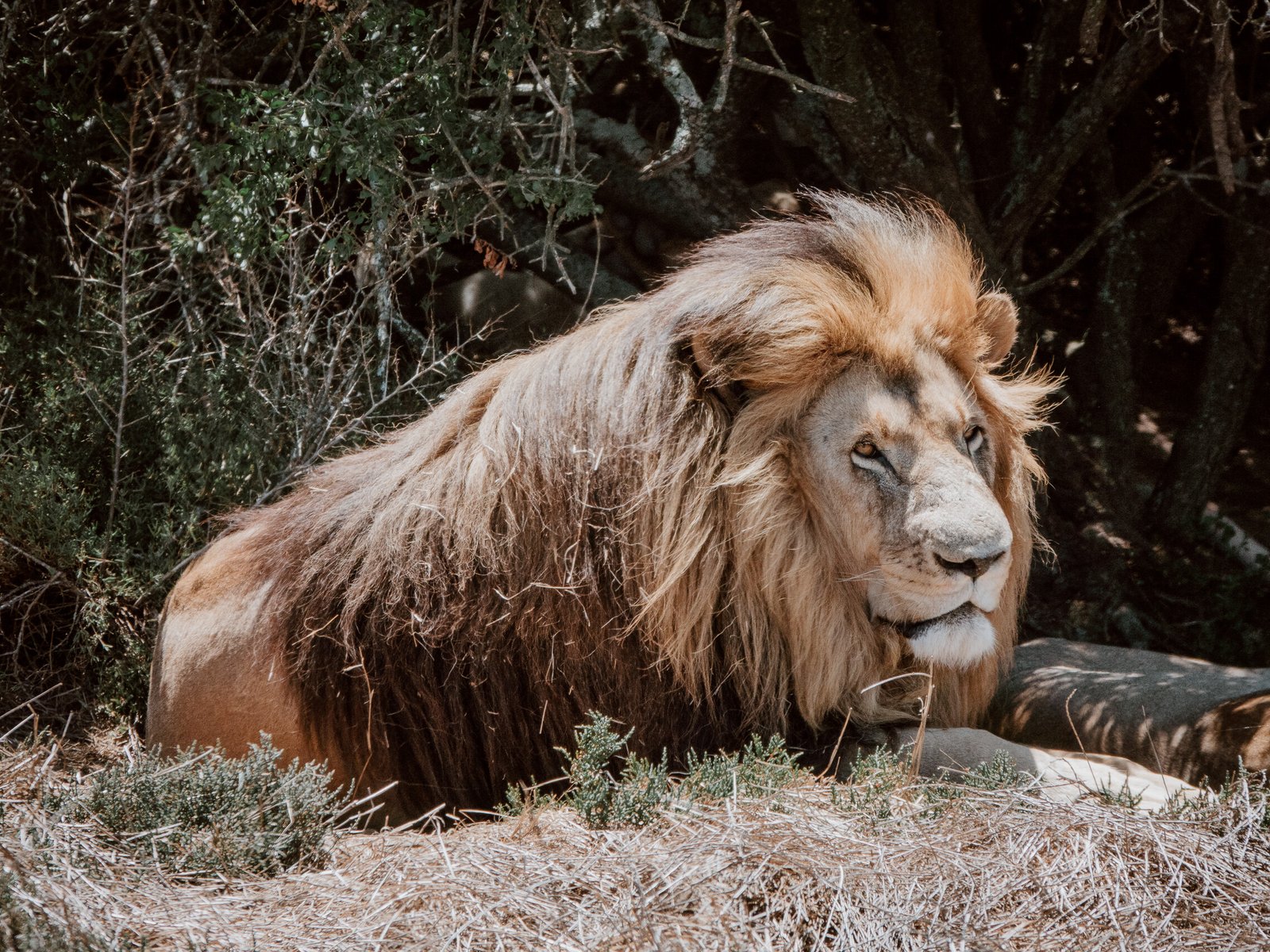
Yes, a safari in South Africa is definitely worthwhile, especially in well-known national parks such as Kruger National Park, Addo Elephant Park, or Hluhluwe-iMfolozi Park. There, you can observe the “Big Five” and many other wild animals in relatively accessible areas.
However, compared to some other African countries such as Botswana, Tanzania, or Kenya, South Africa is not necessarily considered the classic number one safari destination. Those looking for maximum wildlife density, more remote nature, and particularly intense safari experiences often find these regions even more spectacular. South Africa, on the other hand, scores points with its good infrastructure, comfortable lodges, varied landscape, and the opportunity to combine safaris with beaches, wine regions, or city breaks.
Whether you need a visa for South Africa depends on your nationality, length of stay, and purpose of travel. Citizens of the EU, Switzerland, and many other countries do not usually require a visa for tourist stays of up to 90 days. For longer stays, work, or study, a visa must be applied for. Regardless of this, your passport should be valid for at least 30 days after your return date and contain at least two blank pages for entry and exit stamps. It is also advisable to check the latest information with the South African embassy or consulate before traveling, as entry requirements are subject to change.
Driving in South Africa is generally possible, but requires particular caution and attention. Roads in cities and along major traffic routes are usually well developed, but in rural areas or remote regions they can be narrower, more winding, or less well maintained.
South Africa has left-hand traffic, which is particularly important for drivers from countries with right-hand traffic. In addition, there are police checkpoints on many roads, which serve to improve safety but require attention.
Safety continues to play an important role: it is recommended to lock your car while driving and keep the windows closed in urban areas to prevent robberies or theft. Even at night, you should use busy roads whenever possible and avoid remote areas. With these precautions, driving in South Africa can be made largely safe, especially if you plan your routes well and pay attention to local advice.